Your Trusted General Contractor for Quality Home Upgrades
A reliable general contractor serves an vital role in home improvements. Their knowledge ensures work are completed with precision and care. By concentrating on quality materials and workmanship, they improve both aesthetics and value. Clear dialogue and careful planning are crucial for a smooth process. However, many homeowners miss important considerations when selecting a builder. Understanding what to prioritize can make all the impact in obtaining a quality remodel. What should property owners consider first?
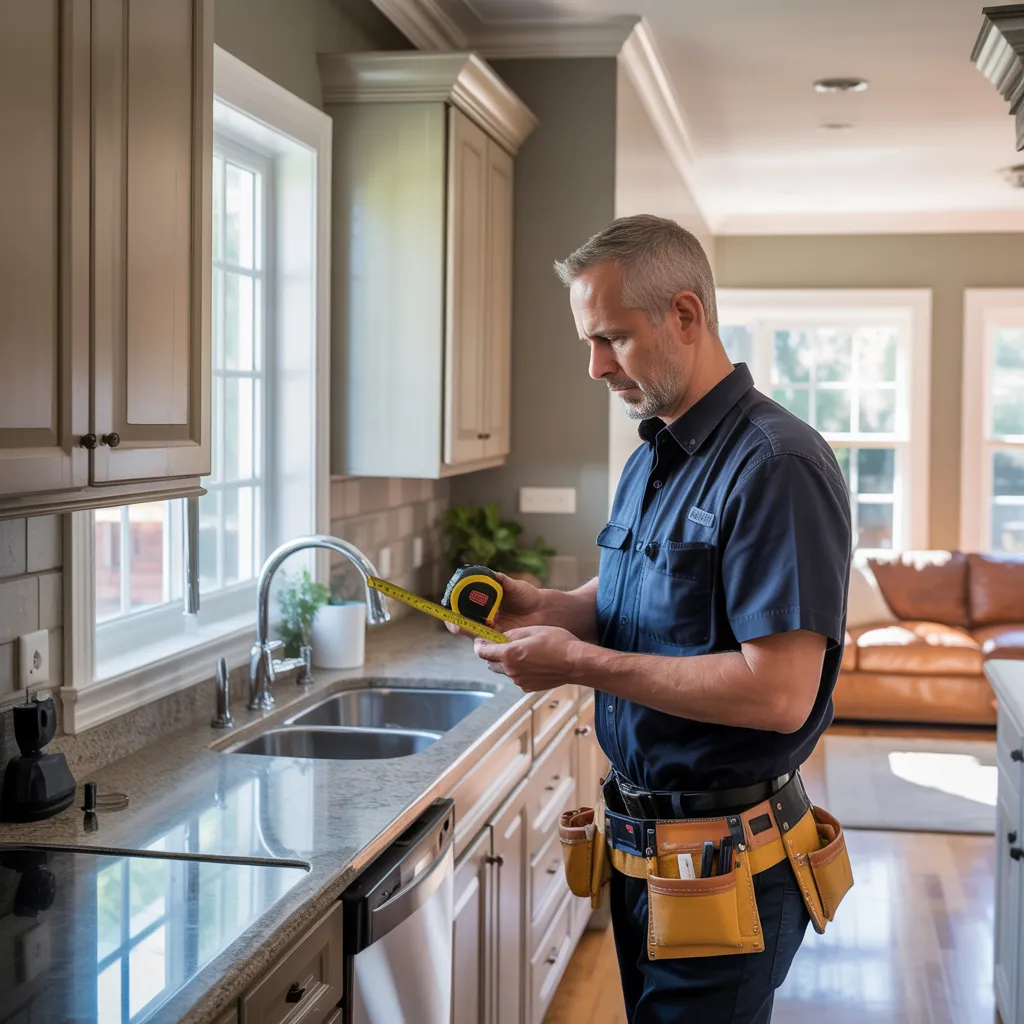
Important Characteristics to Seek Out in a Trustworthy General Contractor
When commencing a home improvement project, how can one ensure they pick a reliable general contractor? First, individuals should request referrals from friends, family, or internet reviews to locate possible contractors. It is important to check qualifications, including licenses and liability coverage, making sure the contractor meets local codes. Then, reviewing earlier projects through samples or client references offers perspective into the professional's craftsmanship and reliability.
Additionally, gathering several estimates can help assess reasonable pricing and work schedules. Soft skills are also necessary; a contractor should be personable and responsive to concerns. Further, a solid binding agreement outlining extent of work, timelines, and payment schedules shields both involved parties. In conclusion, trust your intuition; if a contractor appears inexperienced or evasive, it may warn of later complications. By observing these guidelines, property owners can greatly enhance their probability of engaging a dependable general contractor, enabling accomplished renovation and restoration initiatives.
Why Choosing a Local General Contractor Is Your Top Alternative
Opting for a local general service provider can substantially boost the success of home improvement projects. Local professionals possess invaluable understanding of the community, such as construction codes, regulations, and zoning restrictions, maintaining compliance and productivity. Their strong relationships with suppliers and contractors can provide superior pricing and timely access to supplies and skilled labor.
In addition, local tradespeople often have a reputation to copyright within the area, encouraging them to deliver excellent workmanship. This level of responsibility fosters trust and confidence among homeowners.
In addition, proximity permits clearer communication and more rapid response times, which can be necessary during a project. Homeowners can also look for referrals from friends or neighbors who have previously worked with the contractor, providing peace of mind. Overall, picking a local general contractor not only supports the community but also enhances the overall quality and experience of home improvement endeavors.
Your Full Step-by-Step Handbook to Residential Upgrade Experience
Initiating a house renovation project requires detailed preparation and correct implementation. Creating a work schedule is crucial to ensure that responsibilities are completed in a timely manner, while selecting superior products can substantially influence the project's final result. This manual will explain these vital procedures to guide homeowners along their renovation journey informative guide with success.
Arrange Your Assignment Timeline
A properly designed renovation timeline is important for accomplishing successful home renovations, making sure that each phase is executed effectively. To start, homeowners should set the project's boundaries, specifying particular goals and expected outcomes. After that, they should speak with their general contractor to set up a realistic timeframe determined by the project's complexity and required tasks. Separating the project into manageable parts enables for improved oversight and adjustments as necessary. It is also vital to prepare for unexpected delays, such as weather conditions or sourcing problems, which could impact the timeline. Regular check-ins with the contractor can assist in keeping the project on track. Ultimately, a clear schedule fosters conversation and sets expectations, leading to a smoother residential improvement journey.
Assessing Superior Resources
selecting high-quality substances substantially affects the success of household remodeling endeavors. First, residents should determine the distinct wants of their work, accounting for factors like resilience, design, and financial plan. examining diverse substance alternatives is vital; this comprises grasping the merits and limitations of individual option alternatives. Working with specialists can offer valuable perspective into reputable brands and suppliers.
Next, property owners should request samples to assess the appearance and texture of materials in person. Comparing prices across different suppliers can help ensure affordable rates without sacrificing quality. Finally, confirming that materials comply with local building codes is crucial for protection and adherence to standards. By carefully choosing materials, homeowners can improve both the durability and aesthetic value of their renovations, ultimately adding value to their property.
Share Your Vision Like a Pro
Successful home improvements often depend on the ability to communicate a clear concept. Homeowners should articulate their ideas, tastes, and expectations, ensuring that they communicate their desires effectively to their general contractor. A well-defined vision not only helps in aligning the contractor's plans with the homeowner's goals but also streamlines the decision-making process.
Visual aids such as sketches or mood boards can significantly improve communication processes. They provide a physical example that illustrates style, color schemes, and layout preferences. Additionally, engaging in open dialogue promotes teamwork, allowing the contractor to ask clarifying questions and provide insights.
Establishing practical schedules and budgets is equally important. Property owners should be ready to discuss limitations openly to prevent misunderstandings later. Ultimately, sharing a plan with precision and assurance empowers both parties, paving the way for successful project execution and satisfying outcomes in home improvement endeavors.
The Critical Role of Superior Inputs and Fine Craftsmanship
When it comes to home improvements, the choice of durable materials greatly impacts the durability and performance of a undertaking. Equally important is the importance of skilled craftsmanship, which guarantees that these materials are employed efficiently. Together, high-quality materials and skilled craftsmanship produce results that stand the test of time.
Durable Material Selection
A judiciously selected mixture of hardwearing materials can greatly influence the longevity and character of home improvements. Fine materials not only enhance the appeal of a space but also warrant that renovations hold up the test of time. Homeowners should prioritize materials with proven durability, such as hardwood, stone, and high-grade metals, which resist wear and tear and environmental damage. Additionally, selecting materials suited the local climate can circumvent issues like rot or corrosion. Investing in strong options may require a higher upfront cost, but the long-term benefits—fewer repairs and replacements—make it a strategic choice. Ultimately, the right materials boost a home's value and overall satisfaction for years to come.
Accomplished Handiwork: Why It's Important
Quality artistry assumes an indispensable place in the success of home upgrades, bolstering the selection of dependable materials. Seasoned craftspeople guarantee that each element of a project is carried out with accuracy, improving both functionality and aesthetic appeal. Detailed attention in construction, from framing to finishing touches, considerably enhances the resilience and performance of home features. Quality execution not only reflects a commitment to excellence but also protects future issues, such as structural defects or aesthetic imperfections. Additionally, veteran contractors perceive the nuances of various materials, ensuring they are engaged effectively. Ultimately, directing funds toward skilled craftsmanship generates a more gratifying and lasting product, elevating the overall equity of the home and the homeowner's satisfaction.
Common Remodeling Mistakes and How to Avoid Them
Many homeowners face pitfalls during remodeling that can lead to costly delays and dissatisfaction. One frequent error is downplaying the budget. Without a detailed financial plan, unexpected expenses can quickly surface, compromising the renovation. Additionally, failing to secure required approvals can result in penalties and work stoppages, hindering the renovation process.
One common error is hurrying the decision-making process. Quick decisions regarding layout and design can result in disappointment down the road. Homeowners often overlook the importance of hiring qualified professionals, which can undermine the quality of work and safety requirements.
In the end, failing to communicate efficiently with contractors can produce miscommunications and unsatisfied expectations. To sidestep these obstacles, homeowners should prioritize careful planning, secure the necessary permits, choose qualified professionals, and sustain open dialogue throughout the construction project. By resolving these common mistakes, homeowners can ensure a smoother and more satisfying renovation experience.
How to Choose the Suitable Materials for Your Upgrade?
What methods can homeowners use to ensure they select the right supplies for their home improvement work? First, they should review the specific needs of the space, considering considerations like functionality, aesthetics, and durability. Studying various materials is essential; homeowners should compare alternatives based on their compatibility for the intended use and local climate conditions.
Consulting with a trusted general contractor can offer helpful guidance into material choices, ensuring that selections align with both budget and design goals. Additionally, homeowners should focus on environmental responsibility by exploring eco-friendly materials that minimize environmental impact.
In conclusion, examining samples can help with informed choices, allowing homeowners to envision how materials will feel and appear in their space. By following these guidelines, homeowners can securely choose materials that upgrade their undertaking while ensuring quality and longevity.
Standard Concerns Users Pose Frequently
How Can I Confirm a Contractor's Licenses and Insurance?
To verify a contractor's credentials and coverage, one can check state regulatory agencies and insurance providers. Additionally, requesting documentation of licenses and insurance directly from the contractor ensures legitimacy and adherence to legal requirements.
What Is the Average Schedule for Domestic Remodeling Undertakings?
The standard timeline for home improvement projects differs, often ranging from a few weeks to several months, depending on complexity of the project, size, and necessary permits. Dialogue with the builder can help create a more accurate schedule.
Can I live in My Home During Remodeling?
Yes, one is able to inhabit a home during renovation projects, though it often depends on the project scope. Partial renovation work may support ongoing occupancy, while extensive work might call for temporary relocation for safety and comfort.
What Payment Options Do Contractors Generally Accept?
Contractors generally accept a variety of ways to pay, comprising cash, checks, credit cards, and digital payment platforms. Some may also offer financing options, giving clients flexibility in managing renovation costs and payment schedules.
What's the Right Approach to Resolve Conflicts With My Construction Expert?
To manage conflicts with a contractor, one should communicate clearly, document all interactions, and pursue settlement via discussion. If unresolved, arbitration or court proceedings may be necessary to safeguard your rights effectively.